


Can Wallpaper Make a Room Feel More Expensive Without Looking Overdecorated?
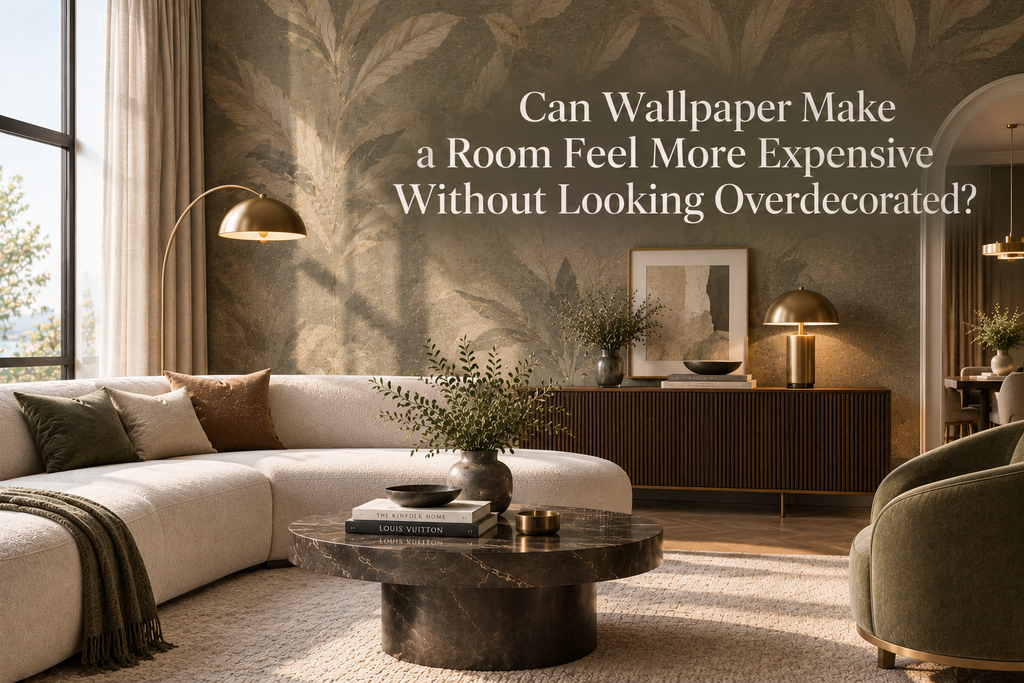
A room does not necessarily look expensive because it contains expensive things.
In many of the most sophisticated interiors, luxury comes from something much harder to identify: proportion, material balance, visual hierarchy, and restraint.
This is where wallpaper can become surprisingly powerful.
Because walls occupy such a large part of a room, changing them can alter the character of an entire interior. The right wallpaper can introduce depth, texture, rhythm, and architectural emphasis without requiring more furniture, more accessories, or more decoration.
But there is an important distinction.
Wallpaper can make a room feel richer without making the room feel busier.
The difference comes down to how intentionally the wallcovering is used.
Rather than treating wallpaper as another decorative layer, consider it as part of the room's visual architecture. When the pattern, scale, texture, color, lighting, and surrounding materials work together, the wall can make the entire space feel more resolved.
Luxury Is Not the Same as More Decoration
One of the easiest ways to make an interior feel less sophisticated is to keep adding things in an attempt to make it look luxurious.
More accessories.
More metallic finishes.
More artwork.
More patterns.
More statement pieces.
Eventually, visual hierarchy disappears.
Luxury often works differently.
A sophisticated interior tends to have a clear understanding of what deserves attention and what should remain supportive.
Wallpaper can help establish that hierarchy because it can transform an entire surface without physically adding another object to the room.
Instead of filling an empty wall with multiple decorative elements, the wall itself can become the design feature.
That is one of wallpaper's greatest strengths.
Why Walls Have Such a Strong Influence on Perception
Walls form the backdrop against which nearly everything else is viewed.
Furniture, artwork, lighting, flooring, and accessories are all interpreted in relation to the surrounding surfaces.
This means a change in wall treatment can affect the perceived quality of the entire room.
A flat painted wall may provide a clean background.
A textured wallcovering can introduce depth.
A geometric pattern can establish rhythm.
A large-scale botanical design can create a focal point.
A subtle embossed surface can make the architecture feel more layered.
The wallpaper does not necessarily need to be dramatic.
It simply needs to give the wall a deliberate role within the composition.
Texture Creates Quiet Luxury
Texture is one of the most effective ways to introduce sophistication without visual excess.
A textured or embossed wallpaper can create variation through light and shadow rather than through additional imagery.
This is important because visual richness does not always require visual complexity.
A restrained wallcovering with a tactile surface can feel sophisticated from across the room while revealing more detail as you move closer.
That creates a layered experience.
The wall feels interesting without constantly demanding attention.
This type of subtle materiality is particularly effective in interiors where furniture, architecture, or artwork already provides strong visual character.
Pattern Can Replace Decoration
Wallpaper can sometimes perform the role that multiple decorative objects would otherwise occupy.
A carefully selected pattern can provide:
-
Rhythm
-
Color
-
Texture
-
Movement
-
Contrast
-
A focal point
-
Architectural emphasis
This does not mean every wallpaper should be bold.
A sophisticated geometric pattern can provide structure.
A delicate botanical design can introduce organic movement.
A tonal abstract pattern can create depth.
A textured surface can provide material character without relying on imagery at all.
The more work the wallpaper is doing, the less additional decoration the wall may need.
That is where restraint becomes important.
The Right Scale Can Make a Room Feel More Refined
Scale is often overlooked when choosing wallpaper.
Yet the relationship between the pattern and the room's proportions can determine whether the result feels intentional or visually awkward.
Small, densely repeated patterns can create a highly detailed surface.
Large-scale designs can create stronger architectural gestures.
Neither is inherently more luxurious.
The key is proportion.
A large-scale pattern can feel remarkably elegant in a spacious room because there is enough surrounding space for the design to breathe.
A smaller pattern may work beautifully in a more intimate room where a larger design could dominate.
The goal is to create a relationship between the wallcovering and the architecture.
Let Architecture Guide the Wallpaper
The most convincing wallpaper installations often appear to belong naturally to the room.
That happens when the pattern responds to architectural features.
Consider:
-
Ceiling height
-
Wall width
-
Windows
-
Doorways
-
Fireplaces
-
Built-ins
-
Columns
-
Alcoves
-
Paneling
-
Sightlines
A vertical pattern can emphasize height.
A horizontally organized design can reinforce width.
A large-scale composition can complement generous proportions.
A subtle texture can allow detailed architecture to remain dominant.
Instead of asking where wallpaper can be placed, ask where it can strengthen what is already there.
That small shift in thinking can produce a much more sophisticated result.
Color Depth Is More Important Than Simply Choosing a Dark Color
Dark wallpaper is often associated with luxury, but darkness alone does not create sophistication.
A rich color works when it has a meaningful relationship with the rest of the interior.
Deep green can connect with natural wood.
Navy can create contrast against warm stone.
Charcoal can provide a sophisticated backdrop for lighter furniture.
Muted terracotta can introduce warmth into an otherwise restrained palette.
Even lighter wallpapers can feel luxurious when their undertones, texture, and material quality are carefully considered.
The goal is not to choose the most dramatic color.
It is to choose a color with enough depth to support the room.
Contrast Creates Definition
A sophisticated interior usually contains contrast.
Not necessarily dramatic contrast, but enough difference between materials and surfaces to prevent the room from becoming visually flat.
Wallpaper can introduce contrast through:
-
Light versus dark
-
Smooth versus textured
-
Matte versus reflective
-
Organic versus geometric
-
Soft versus structured
-
Warm versus cool
For example, a textured wallpaper can create an interesting counterpoint to smooth stone.
A subtle wallcovering can provide balance against sculptural furniture.
A dark patterned wall can create definition behind pale upholstery.
The important thing is that contrast should create relationships rather than competition.
Wallpaper and Furniture Should Have a Conversation
Wallpaper does not need to match the furniture exactly.
In fact, exact matching can sometimes make an interior feel overly coordinated.
Instead, look for visual relationships.
A wallpaper undertone might echo the warmth of a wooden table.
A botanical pattern might connect subtly with natural materials.
A geometric design might complement the structured silhouette of a sofa.
A textured wallcovering might provide contrast against smooth leather or polished stone.
These connections are quieter than exact color matching, but they often create a more sophisticated result.
Think of the room as a conversation between materials rather than a collection of matching objects.
Negative Space Is Part of Luxury
One of the most underrated elements in interior design is empty space.
When a beautiful wallpaper is surrounded by too many objects, its impact can disappear.
Negative space gives important elements room to register.
This is especially important with statement wallpaper.
If the wall already contains a strong pattern, consider whether it needs:
-
Large artwork
-
Multiple shelves
-
Decorative mirrors
-
Numerous accessories
-
Several competing focal points
Sometimes the most sophisticated decision is to leave the wallpaper alone.
The absence of decoration becomes part of the design.
Lighting Determines How Wallpaper Is Experienced
Wallpaper changes with light.
Natural daylight can reveal subtle color variations.
Side lighting can emphasize embossing and texture.
Warm evening lighting can deepen certain colors.
Wall washing can create a soft gradient across a textured surface.
This means lighting should be considered when selecting wallpaper rather than treated as an afterthought.
A wallcovering with dimensional texture can become particularly effective when light moves across its surface.
Instead of seeing one static wall, you experience subtle changes throughout the day.
That sense of depth can contribute significantly to the perception of quality.
Natural Materials Keep Wallpaper Grounded
Wallpaper can become more sophisticated when it is balanced by natural materials.
Wood brings warmth.
Stone adds visual weight.
Linen introduces softness.
Leather contributes richness.
Ceramic adds tactile character.
Metal creates controlled reflection.
These materials prevent the wallpaper from feeling like an isolated decorative statement.
For example, a dramatic patterned wall can feel more architectural when combined with simple wood furniture.
A refined textured wallpaper can become more luxurious beside stone and linen.
The surrounding materials help determine the final character of the wall.
The One-Statement Principle
One useful approach to sophisticated interiors is to allow one element to lead.
If wallpaper is the statement, let the furniture support it.
If the furniture is highly sculptural, choose a more restrained wallcovering.
If the architecture is dramatic, use wallpaper to reinforce rather than compete with it.
This does not mean the rest of the room needs to be boring.
It means the room should have hierarchy.
When everything is competing for attention, nothing feels particularly valuable.
When one element leads and the others support it, the entire composition can feel more intentional.
Can Bold Wallpaper Still Look Understated?
Yes.
The trick is controlling everything around it.
A large-scale pattern can feel surprisingly sophisticated when:
-
The color palette is limited
-
The surrounding furniture is relatively simple
-
Materials are high quality
-
Lighting is carefully considered
-
Competing patterns are minimized
-
The wallpaper has enough space around it
This is why boldness and luxury are not opposites.
A strong design can feel quiet when the composition around it is disciplined.
Rooms Where Wallpaper Can Create the Biggest Transformation
Different rooms offer different opportunities.
Living Rooms
A refined wallcovering can establish atmosphere without forcing the room into a specific decorative style.
Dining Rooms
Dining spaces can support richer color, stronger pattern, and more dramatic compositions because the room naturally has a social and atmospheric function.
Bedrooms
Subtle texture, tonal pattern, and deeper colors can create a sense of intimacy without requiring heavy decoration.
Entryways
An entryway is an opportunity to establish the visual language of the home immediately.
Powder Rooms
Small spaces can accommodate more expressive wallpaper because the wallcovering can become an immersive architectural element.
Home Offices
Structured patterns and tactile textures can give a workspace character without overwhelming the functional nature of the room.
When Wallpaper Starts Looking Overdecorated
The wallpaper itself is rarely the only problem.
Visual excess usually comes from several strong elements competing at once.
Too Many Patterns
If the wallpaper, rug, upholstery, curtains, and artwork all have strong patterns, the eye has difficulty establishing hierarchy.
Too Many Statement Materials
Marble, metallic finishes, glossy surfaces, bold wallpaper, and sculptural furniture can become excessive when every element demands attention.
Overcrowding the Wall
A statement wallpaper may not need additional artwork or accessories.
Excessive Color Matching
Repeating the wallpaper's exact colors throughout the room can make the design feel forced.
Ignoring the Architecture
Wallpaper that fights against windows, doors, built-ins, or other architectural elements can look decorative rather than integrated.
Adding More When the Room Already Works
This is perhaps the most common mistake.
Sometimes the room is finished.
The designer simply needs to stop adding.
A Better Way to Think About "Expensive"
Instead of asking whether a wallpaper looks expensive, consider whether it makes the room look considered.
Does it improve the proportions?
Does it strengthen the architecture?
Does it create useful contrast?
Does it make the furniture feel more intentional?
Does the lighting reveal its material qualities?
Does it create atmosphere?
Does it leave enough visual breathing room?
These questions are more useful than simply looking for a "luxury" pattern.
A sophisticated interior is rarely about one expensive-looking element.
It is about the relationship between many carefully controlled elements.
A Simple Formula for Sophisticated Wallpaper
A useful framework is:
Strong surface + controlled palette + appropriate scale + material contrast + thoughtful lighting + visual restraint
Remove any one of these and the result can change dramatically.
A beautiful pattern with poor scale may feel overwhelming.
Excellent texture with inadequate lighting may disappear.
A sophisticated color with too many competing materials may lose its impact.
A dramatic wall with no negative space may feel crowded.
The final result depends on the complete composition.
Final Thoughts
Wallpaper can make a room feel more expensive without looking overdecorated because it can introduce richness at the architectural level.
Instead of adding more objects, it transforms the surface that already exists.
The most successful approach is not necessarily the boldest pattern, darkest color, or most elaborate design.
It is the wallpaper that feels right for the architecture, establishes a clear visual hierarchy, works naturally with surrounding materials, and leaves enough space for the room to breathe.
That is the difference between decoration and design.
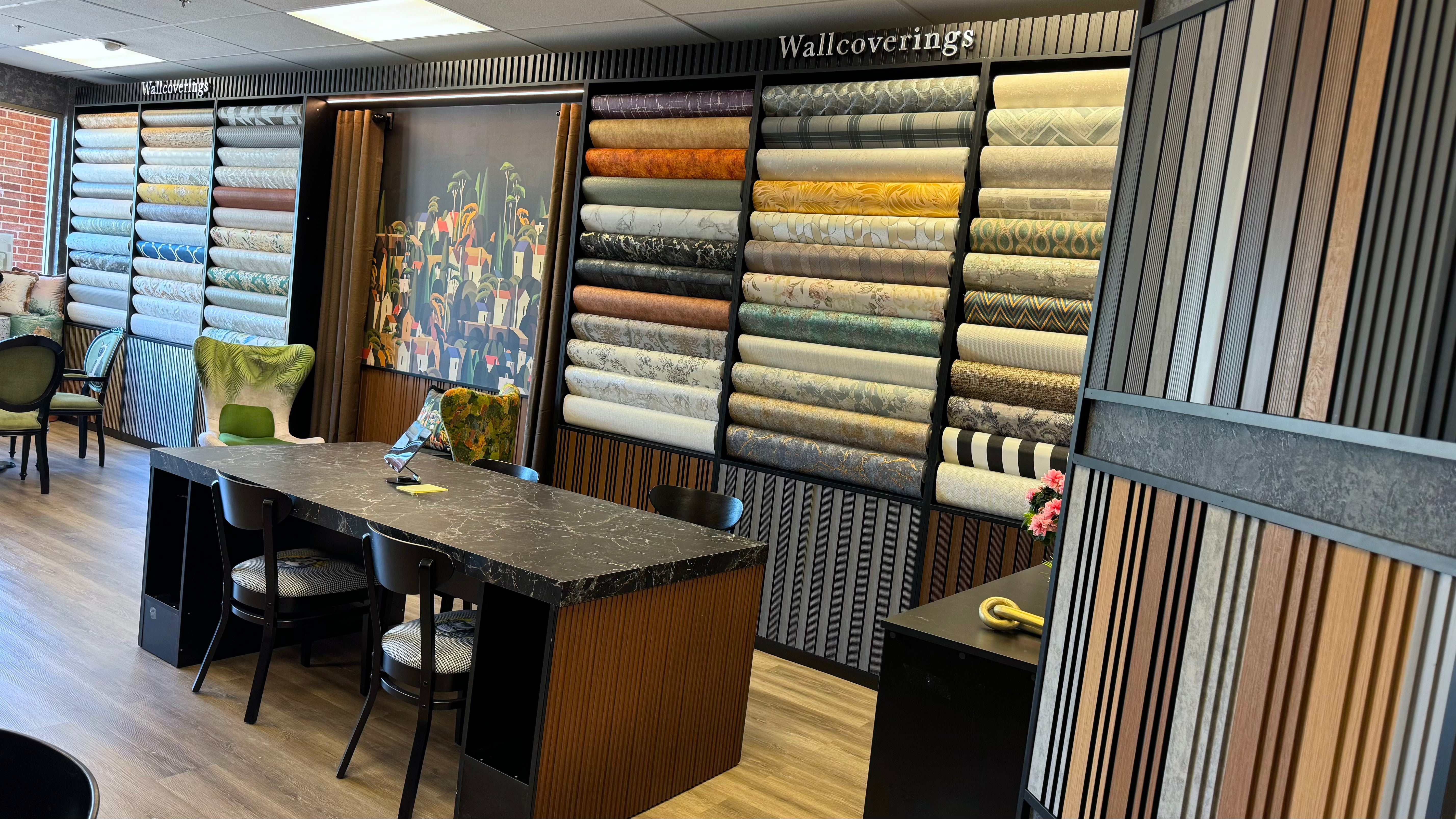
At Walloro, wallpaper can be viewed as more than a finishing layer. It can become part of the spatial composition itself—shaping atmosphere, emphasizing proportion, creating depth, and giving the room a stronger visual identity.
A room does not need to look full to look luxurious.
Sometimes, it simply needs one beautifully considered surface and the confidence to let it speak for itself.