

How to Choose Wallpaper for Your Home's Architectural Style
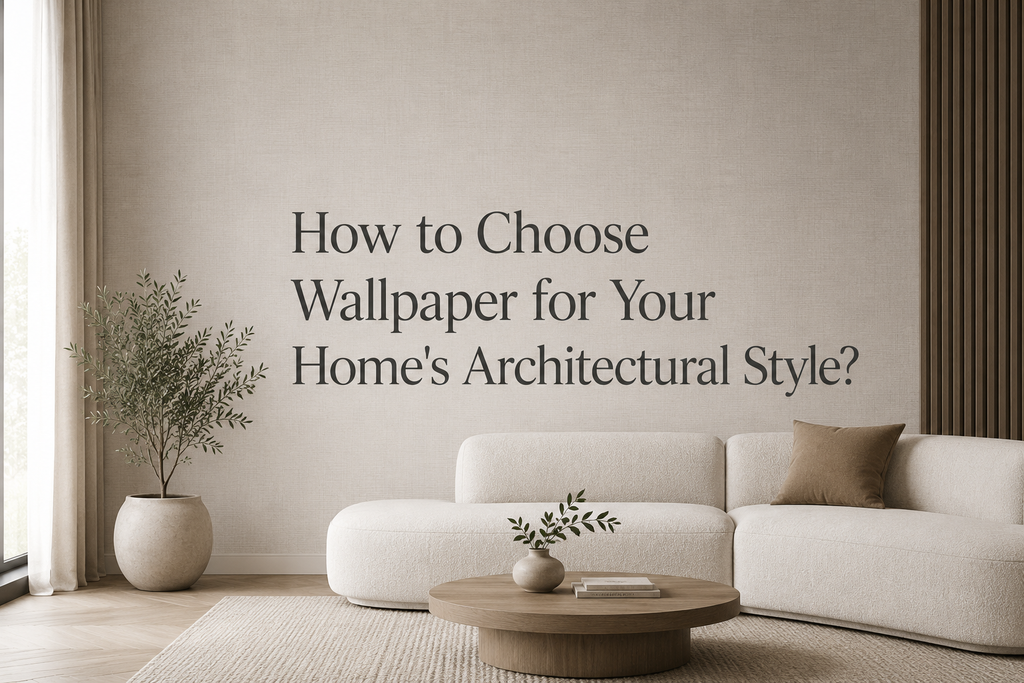
Wallpaper has become one of the most influential elements in interior design, transforming ordinary walls into beautiful design features that reflect personality and elevate an entire home. Yet many homeowners choose wallpaper based solely on color or current trends without considering one of the most important factors: the architecture of their home.
Every home tells a story through its proportions, materials, window styles, ceiling heights, and structural details. The most successful interiors don't compete with those architectural features—they enhance them. Choosing wallpaper that complements your home's design creates a cohesive, balanced look that feels intentional and timeless.
Whether you live in a sleek modern residence, a charming farmhouse, a classic colonial home, or a converted industrial loft, selecting the right wallpaper allows every room to feel more harmonious.
At Walloro, we believe premium wallpaper should celebrate the unique character of every home. By understanding how architecture influences interior design, homeowners can create spaces that remain elegant and inviting for years to come.
Why Your Home's Architecture Should Guide Wallpaper Selection
Wallpaper isn't just decoration—it's part of the overall design language of a home.
Architectural style influences:
- Room proportions
- Natural lighting
- Ceiling height
- Trim and molding details
- Flooring materials
- Window placement
- Furniture style
Wallpaper that works beautifully in a minimalist contemporary home may feel completely out of place in a century-old colonial residence.
When wallpaper aligns with the home's architecture, every element feels connected, creating interiors that appear professionally designed rather than pieced together.
Understanding Your Home's Architectural Character
Before choosing wallpaper, take time to identify the defining characteristics of your home.
Ask yourself:
- Is the design modern or traditional?
- Are the rooms open or compartmentalized?
- Does the home feature decorative molding?
- Are natural materials like wood or stone prominent?
- Is the color palette warm or cool?
- Does the architecture emphasize simplicity or ornamentation?
The answers help determine whether wallpaper should become a bold statement or a subtle backdrop.
In most cases, timeless wallpaper succeeds because it supports the architecture instead of competing with it.
Wallpaper Ideas for Modern Homes
Modern architecture emphasizes clean lines, uncluttered spaces, and carefully selected materials.
Wallpaper for modern interiors should reinforce these principles through understated elegance rather than excessive decoration.
Excellent choices include:
- Linen-inspired textures
- Soft concrete finishes
- Subtle metallic accents
- Fine embossed surfaces
- Minimal geometric patterns
- Neutral organic textures
These styles introduce warmth while preserving the clean aesthetic modern homes are known for.
Large open-concept spaces particularly benefit from textured wallpaper because it creates visual depth without interrupting the flow of the design.
Neutral shades such as warm white, ivory, greige, taupe, and soft gray pair beautifully with contemporary furniture and expansive windows.
Wallpaper for Traditional and Colonial Homes
Traditional architecture often includes decorative moldings, symmetrical layouts, fireplaces, built-in cabinetry, and classic craftsmanship.
Wallpaper should complement these timeless details.
Suitable options include:
- Elegant damask-inspired textures
- Embossed wallpaper with subtle dimension
- Fine linen wallcoverings
- Soft botanical patterns
- Classic stripe designs
- Textured neutrals
Rather than overwhelming original architectural details, these wallpapers create a sophisticated backdrop that highlights crown molding, woodwork, and traditional furnishings.
Premium wallpaper can make historic-inspired homes feel refreshed while preserving their original charm.
Choosing Wallpaper for Farmhouse Interiors
Modern farmhouse design continues to appeal because it combines comfort, simplicity, and natural materials.
Wallpaper for farmhouse interiors should feel warm, relaxed, and authentic.
Popular choices include:
- Linen textures
- Soft plaster-inspired finishes
- Stone-inspired wallcoverings
- Gentle botanical motifs
- Natural woven effects
- Warm neutral palettes
Colors such as oatmeal, sand, ivory, warm beige, sage, and muted gray work exceptionally well.
Instead of dramatic patterns, farmhouse interiors benefit from texture that creates quiet visual interest.
Embossed wallpaper adds handcrafted character while maintaining the cozy atmosphere that defines farmhouse design.
Mid-Century Modern Wallpaper Styles
Mid-century modern homes emphasize simplicity, functionality, and thoughtful design.
Wallpaper should respect these principles while introducing warmth and personality.
Ideal options include:
- Subtle geometric repeats
- Soft abstract patterns
- Fine textured wallpaper
- Neutral architectural motifs
- Organic curves
- Muted earth tones
Unlike highly decorative wallpaper, these designs reflect the clean forms associated with mid-century interiors.
Texture often becomes more important than bold graphics, allowing iconic furniture pieces to remain the visual focus.
Scandinavian-Inspired Spaces
Scandinavian interiors prioritize natural light, simplicity, and comfort.
Wallpaper should contribute to an airy atmosphere while adding gentle warmth.
Timeless options include:
- Soft linen textures
- Whitewashed plaster effects
- Minimal botanical patterns
- Light wood-inspired finishes
- Neutral embossed wallpaper
Color palettes typically feature:
- Warm white
- Soft ivory
- Pale beige
- Stone
- Light greige
- Mist gray
These understated wallcoverings reflect available daylight beautifully, making rooms feel larger and more welcoming.
Texture plays a significant role in Scandinavian interiors because it creates visual richness without introducing unnecessary complexity.
Why Texture Creates Architectural Harmony
One of the most versatile design elements across every architectural style is texture.
Unlike bold prints that can quickly date a room, textured wallpaper works with both classic and contemporary interiors by enhancing light and depth.
Embossed finishes, linen-inspired surfaces, and subtle plaster effects adapt effortlessly to changing décor, making them ideal for homeowners seeking long-term style.
Texture also softens large walls, highlights architectural features, and creates a sense of craftsmanship that flat painted walls often cannot achieve.
Whether your home is modern, traditional, farmhouse, or Scandinavian, thoughtfully selected textured wallpaper helps tie the architecture and interior design together in a refined, timeless way.
Once you've identified your home's architectural style, the next step is choosing wallpaper that enhances each room while maintaining a consistent design language throughout the house. Although every room serves a different purpose, a cohesive wallpaper strategy creates visual flow and reinforces the character of the home.
Rather than using dramatically different patterns from one room to another, many interior designers recommend selecting wallpapers that share similar textures, tones, or finishes. This approach allows each space to have its own personality while still feeling connected to the rest of the home.
Whether your home features modern architecture, traditional craftsmanship, or rustic farmhouse charm, premium wallpaper can unify your interiors without making them feel repetitive.
Matching Wallpaper with Architectural Details
One of the most overlooked aspects of wallpaper selection is the home's built-in architectural features. These details should work together with the wallpaper—not compete against it.
Consider the following elements before making your selection:
Crown Molding and Trim
Homes with decorative moldings often benefit from refined wallpaper featuring subtle textures or understated patterns. Embossed wallpaper and linen-inspired finishes complement intricate trim beautifully while allowing architectural craftsmanship to remain the focal point.
High Ceilings
Rooms with soaring ceilings can accommodate wallpapers with larger-scale textures or slightly more pronounced patterns without overwhelming the space. These designs help balance vertical proportions and create a sense of warmth.
Large Windows
Homes filled with natural light are ideal for textured wallpaper. Sunlight highlights embossed finishes and woven-inspired surfaces, creating soft shadows and visual depth that change throughout the day.
Stone, Brick, and Wood Features
If your home includes exposed brick, natural stone fireplaces, or wood beams, choose wallpaper that complements these materials rather than competing with them. Neutral palettes and organic textures help create a harmonious balance.
By allowing wallpaper to support existing architectural details, every room feels thoughtfully designed and naturally elegant.
Wallpaper for Industrial and Loft-Style Homes
Industrial architecture combines raw materials with contemporary design, making wallpaper selection especially important.
Instead of covering the home's character, the right wallpaper should soften industrial features while preserving their authenticity.
Excellent choices include:
- Concrete-inspired textures
- Soft plaster-effect wallpaper
- Linen-look wallcoverings
- Minimal geometric designs
- Stone-inspired finishes
- Warm neutral color palettes
These styles introduce warmth to spaces dominated by steel, concrete, brick, and glass.
Embossed wallpaper is particularly effective because it adds depth without distracting from exposed structural elements.
The result is an industrial interior that feels sophisticated, comfortable, and welcoming rather than cold or unfinished.
Creating Flow Throughout the Home
One of the hallmarks of professionally designed interiors is consistency.
This doesn't mean every room needs identical wallpaper. Instead, each space should feel like part of the same story.
Designers often achieve this by repeating:
- Similar textures
- Coordinating neutral colors
- Consistent finishes
- Complementary patterns
- Shared material inspiration
For example, a linen-inspired wallpaper in the entryway can transition beautifully into an embossed textured wallpaper in the living room and a soft organic design in the bedroom—all while maintaining a cohesive aesthetic.
This layered approach creates variety without visual clutter and allows the architecture to remain the centerpiece of the home.
Common Wallpaper Mistakes to Avoid
Even high-quality wallpaper can lose its impact if it isn't chosen with the home's architecture in mind.
Here are some of the most common mistakes homeowners make:
Ignoring the Home's Design Style
Selecting wallpaper based only on current trends may result in interiors that feel disconnected from the architecture.
Choosing Overly Busy Patterns
Large, dramatic prints can overwhelm architectural details such as fireplaces, moldings, or built-in cabinetry.
Forgetting About Lighting
Wallpaper appears different depending on the amount of natural and artificial light in a room. Always consider how textures and colors will interact with the lighting throughout the day.
Mixing Too Many Styles
Combining multiple unrelated wallpaper designs often creates visual confusion. A consistent palette and complementary textures produce a much more refined result.
Prioritizing Price Over Quality
Lower-quality wallpaper may fade, peel, or wear more quickly, reducing the long-term value of your investment. Choosing premium wallpaper from the beginning often saves time and money over the years.
Avoiding these mistakes helps ensure your wallpaper enhances your home rather than distracting from it.
Why Premium Wallpaper Complements Quality Architecture
Beautiful architecture deserves equally beautiful finishes.
Premium wallpaper isn't simply about appearance—it's about craftsmanship, durability, and attention to detail.
High-quality designer wallcoverings typically offer:
- Rich embossed textures
- Superior material construction
- Better dimensional stability
- Excellent color consistency
- Washable, durable surfaces
- Elegant finishes that age gracefully
These characteristics allow wallpaper to become a lasting part of the home's overall design instead of a temporary decorative trend.
Whether you're renovating a newly built home or restoring a historic property, premium wallpaper provides the level of refinement that quality architecture deserves.
Why Homeowners Choose Walloro
At Walloro, we understand that every home has its own architectural story.
That's why our carefully curated collection of premium wallpaper is designed to complement a wide range of interior styles—from sleek contemporary residences to timeless traditional homes and everything in between.
Our collections feature:
- Elegant embossed wallpaper
- Sophisticated textured wallpaper
- Linen-inspired finishes
- Modern designer wallcoverings
- Neutral color palettes
- Luxury wallpaper crafted for lasting beauty
Every design is selected with versatility in mind, making it easier for homeowners to create interiors that feel cohesive, welcoming, and enduring.
Whether you're redesigning a single room or transforming your entire home, Walloro helps you find wallpaper that enhances your architecture rather than competing with it.
Frequently Asked Questions
Should wallpaper match my home's architectural style?
Yes. Choosing wallpaper that complements your home's architecture creates a more balanced and cohesive interior. It helps highlight existing design features instead of competing with them.
What wallpaper works best in modern homes?
Modern homes pair well with textured wallpaper, linen-inspired finishes, subtle geometric patterns, and neutral color palettes that enhance clean architectural lines.
Is wallpaper suitable for older or historic homes?
Absolutely. Traditional homes often benefit from embossed wallpaper, classic textures, and understated patterns that preserve their original character while adding fresh sophistication.
Can I use different wallpaper styles in different rooms?
Yes, but maintaining a consistent color palette or texture throughout the home creates better visual continuity and a more professionally designed appearance.
Why is premium wallpaper a better long-term investment?
Premium wallpaper offers higher-quality materials, improved durability, richer textures, and timeless designs that maintain their beauty for years while complementing changing furniture and décor.
Final Thoughts
Your home's architecture provides the foundation for every design decision you make, and wallpaper is no exception. By selecting wallcoverings that complement your home's unique character, you create interiors that feel balanced, intentional, and timeless.
Whether your style leans toward modern minimalism, classic elegance, rustic farmhouse, Scandinavian simplicity, or industrial sophistication, choosing textured wallpaper, embossed finishes, and versatile neutral palettes ensures your walls remain beautiful as trends evolve.
Rather than following short-lived design fads, investing in premium wallpaper allows you to celebrate your home's architecture while creating spaces that feel welcoming, refined, and built to last.
At Walloro, we believe exceptional interiors begin with wallcoverings that respect both craftsmanship and architectural character. Our collection of luxury wallpaper, textured wallpaper, and designer wallcoverings is thoughtfully curated to help homeowners create spaces where timeless style and premium quality come together effortlessly.
Because the best interiors don't chase trends—they honor the architecture that makes every home unique.