

Does Wallpaper Really Increase Home Value?
When homeowners think about increasing the value of their property, the first ideas that usually come to mind are kitchen renovations, bathroom remodels, or replacing old flooring. These projects can certainly make an impact, but they also require significant time, money, and planning.
What many people overlook is one of the largest design elements in any home: the walls.
The way your walls look can completely change how a room is perceived. A thoughtfully designed interior feels brighter, warmer, and more inviting. It tells visitors that the home has been cared for, and it helps create an emotional connection that buyers remember long after they've left.
This is exactly why wallpaper has become one of the fastest-growing interior design trends in the United States.
Today's wallpaper isn't the same product many people remember from decades ago. Modern materials, sophisticated textures, and premium finishes have transformed wallpaper into a design feature that can elevate almost any space.
So, does wallpaper really increase home value?
The short answer is yes—but not in the way most people think.
Wallpaper may not directly raise the number on a property appraisal, but it can significantly increase your home's perceived value, improve buyer interest, and help create interiors that feel more luxurious.
At Walloro, we believe beautiful walls create beautiful homes. Choosing premium wallpaper isn't simply about decoration—it's about investing in spaces that feel timeless, welcoming, and uniquely yours.
Let's explore why wallpaper has become such a valuable design choice for modern homeowners.
The Difference Between Home Value and Perceived Value
Before answering the question, it's important to understand what "home value" actually means.
Your home's official market value is influenced by measurable factors like square footage, location, condition, and comparable sales in your neighborhood.
Wallpaper doesn't add extra bedrooms.
It doesn't increase your home's size.
It won't change the official appraisal by itself.
However, there's another type of value that's just as important when selling a home.
Perceived value.
Perceived value is how expensive, attractive, and well-designed a home feels the moment someone walks inside.
It's the reason two homes with identical layouts can receive completely different reactions from buyers.
One feels ordinary.
The other feels unforgettable.
Wallpaper plays a surprisingly important role in creating that difference.
First Impressions Can Influence Buying Decisions
Real estate professionals often say buyers begin forming opinions within the first few minutes of entering a home.
Sometimes, it happens even faster.
Natural light.
Furniture placement.
Colors.
Textures.
Everything contributes to the overall atmosphere.
Walls occupy more visual space than almost any other design element, making them one of the first things people notice.
Fresh paint certainly creates a clean appearance, but wallpaper adds another layer that paint simply can't.
Texture.
Depth.
Movement.
Warmth.
Instead of looking flat, wallpaper creates visual interest that makes rooms feel complete.
Visitors may not immediately recognize why the room feels so inviting.
They simply know it does.
Those emotional reactions often stay with buyers long after they've viewed dozens of other homes.
Modern Wallpaper Creates a Luxury Feel
Luxury isn't always about spending more money.
Often, it's about paying attention to details.
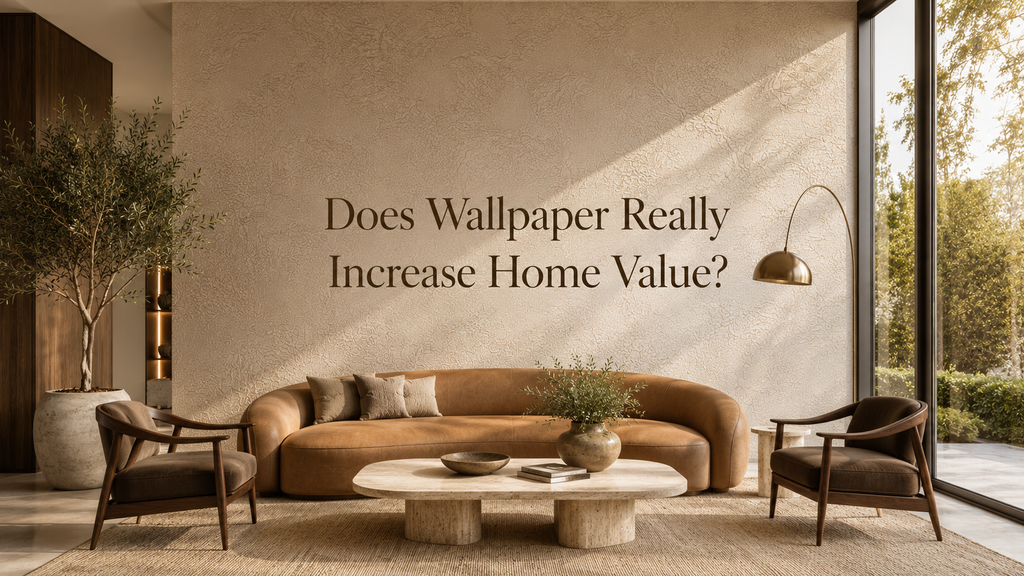
A textured wall behind the sofa.
A soft embossed wallpaper in the dining room.
A calming linen-inspired finish in the bedroom.
These aren't dramatic renovations, yet they completely change the atmosphere of a space.
Interior designers understand that texture creates warmth.
Flat painted walls can sometimes feel unfinished, especially in larger rooms.
Wallpaper introduces depth that changes throughout the day as natural light moves across the surface.
This subtle interaction with light gives rooms a richer, more sophisticated appearance.
That's one reason luxury hotels, boutique offices, and designer homes frequently use wallpaper instead of relying solely on paint.
Wallpaper Helps Buyers Picture Themselves Living There
Buying a home is rarely a purely logical decision.
People don't simply compare square footage.
They imagine their future.
Family dinners.
Holiday celebrations.
Weekend mornings.
Movie nights.
Working from home.
The easier buyers can imagine their lives inside your home, the stronger their emotional connection becomes.
Wallpaper helps create these moments because it gives rooms personality without overwhelming them.
A soft neutral texture makes a bedroom feel peaceful.
A modern geometric design creates a stylish home office.
An elegant embossed wallpaper transforms an ordinary hallway into a memorable entrance.
Instead of seeing empty walls, buyers begin imagining how the space fits into their own lives.
Why Wallpaper Has Become Popular Again
If someone told you twenty years ago that wallpaper would become one of the biggest interior design trends in America, you might have been surprised.
Back then, wallpaper often meant bold floral prints, outdated colors, and difficult removal.
Today's wallpaper couldn't be more different.
Modern manufacturing has completely changed the industry.
Premium wallpaper now offers:
-
Sophisticated embossed textures
-
Elegant linen-inspired finishes
-
Contemporary geometric designs
-
Easy-care materials
-
Durable construction
-
Timeless color palettes
Instead of dominating a room, today's wallpaper complements it.
That's why designers increasingly use wallpaper to create subtle luxury rather than dramatic decoration.
Which Rooms Benefit the Most?
Not every room needs wallpaper.
In fact, using wallpaper strategically often creates a stronger overall design.
Living Rooms
The living room is where people gather, entertain guests, and spend the most time.
Adding wallpaper behind the sofa or fireplace instantly creates a beautiful focal point.
Bedrooms
Bedrooms should feel relaxing.
Soft textured wallpaper behind the headboard introduces warmth without making the room feel busy.
Many homeowners choose neutral embossed wallpaper because it creates a boutique hotel atmosphere.
Dining Rooms
Wallpaper naturally makes dining spaces feel more intimate.
Rich textures and subtle patterns create an elegant setting for family meals and entertaining.
Home Offices
As remote work continues to grow, beautifully designed home offices have become increasingly valuable.
Wallpaper helps define the space while creating a polished background for video meetings.
Entryways
The entrance to your home creates the very first impression.
Elegant wallpaper immediately communicates that thoughtful design continues throughout the rest of the house.
Timeless Choices Create Lasting Appeal
One mistake homeowners sometimes make is decorating based only on current trends.
Trends come and go.
Timeless design remains beautiful for years.
If you're choosing wallpaper with long-term value in mind, neutral colors and refined textures are often the smartest investment.
Warm whites.
Soft greige.
Natural linen textures.
Subtle geometric patterns.
These styles complement changing furniture, evolving décor, and different architectural styles without feeling outdated.
Rather than demanding attention, timeless wallpaper quietly elevates the entire room.
That's exactly the type of design buyers tend to appreciate most.
Wallpaper vs. Paint: Which Creates More Value?
One of the biggest questions homeowners ask when updating their interiors is whether wallpaper is actually a better investment than paint.
The answer depends on what you expect from your walls.
If your goal is simply to refresh a room with a new color, paint is a practical and affordable solution. It's easy to apply, available in countless shades, and works well for spaces that you like to redecorate frequently.
But if your goal is to create a home that feels thoughtfully designed, luxurious, and memorable, wallpaper offers advantages that paint simply can't replicate.
Paint changes color.
Wallpaper changes the entire atmosphere.
A beautifully textured wall catches natural light differently throughout the day. Embossed finishes create subtle shadows that add movement and depth. Even minimalist wallpaper brings warmth and dimension that flat paint often lacks.
It's these small details that make a room feel professionally designed rather than simply decorated.
Does Wallpaper Offer a Good Return on Investment?
Wallpaper shouldn't be viewed the same way as replacing a roof or renovating a kitchen.
Its value comes from improving how people experience your home.
Premium wallpaper offers long-term benefits that many homeowners don't consider.
Unlike painted walls, which often require touch-ups after a few years, high-quality wallpaper is designed to maintain its appearance for much longer. Modern wallcoverings resist fading, preserve their texture, and continue looking elegant even in busy households.
That means less repainting.
Less maintenance.
Less disruption.
When homeowners think beyond the initial purchase price, wallpaper often becomes a surprisingly cost-effective design investment.
Instead of repeatedly refreshing painted walls, you're choosing a finish designed to stay beautiful year after year.
Common Mistakes That Can Reduce Your Home's Appeal
Wallpaper has the power to elevate a home—but only when it's chosen thoughtfully.
One of the biggest mistakes is following short-lived design trends.
Oversized graphics, extremely bold colors, or highly themed wallpaper may reflect personal taste, but they don't always appeal to future buyers.
Timeless interiors consistently outperform trendy ones.
Another mistake is wallpapering every room with dramatic patterns.
Luxury interiors rarely rely on excess.
Instead, designers often use wallpaper strategically.
A feature wall in the living room.
A textured wall behind the bed.
An elegant dining room.
A welcoming entryway.
These carefully selected spaces create visual impact without overwhelming the home.
Quality also matters.
Low-cost wallpaper may fade, peel, or lose its texture over time. Investing in premium wallcoverings ensures your home continues looking polished for years instead of becoming another renovation project.
Why Premium Wallpaper Makes a Difference
Not all wallpaper is created equal.
Premium wallpaper stands apart because of its materials, craftsmanship, and attention to detail.
Refined embossed finishes create depth that changes with natural light.
Rich textures make rooms feel warmer and more inviting.
Carefully developed color palettes remain timeless rather than trend-driven.
These qualities don't just improve how walls look—they improve how an entire room feels.
Guests may not immediately recognize why a space seems more sophisticated.
They simply notice that it does.
That's the quiet luxury premium wallpaper creates.
Why More Homeowners Choose Walloro
At Walloro, we believe walls should do more than separate rooms—they should inspire them.
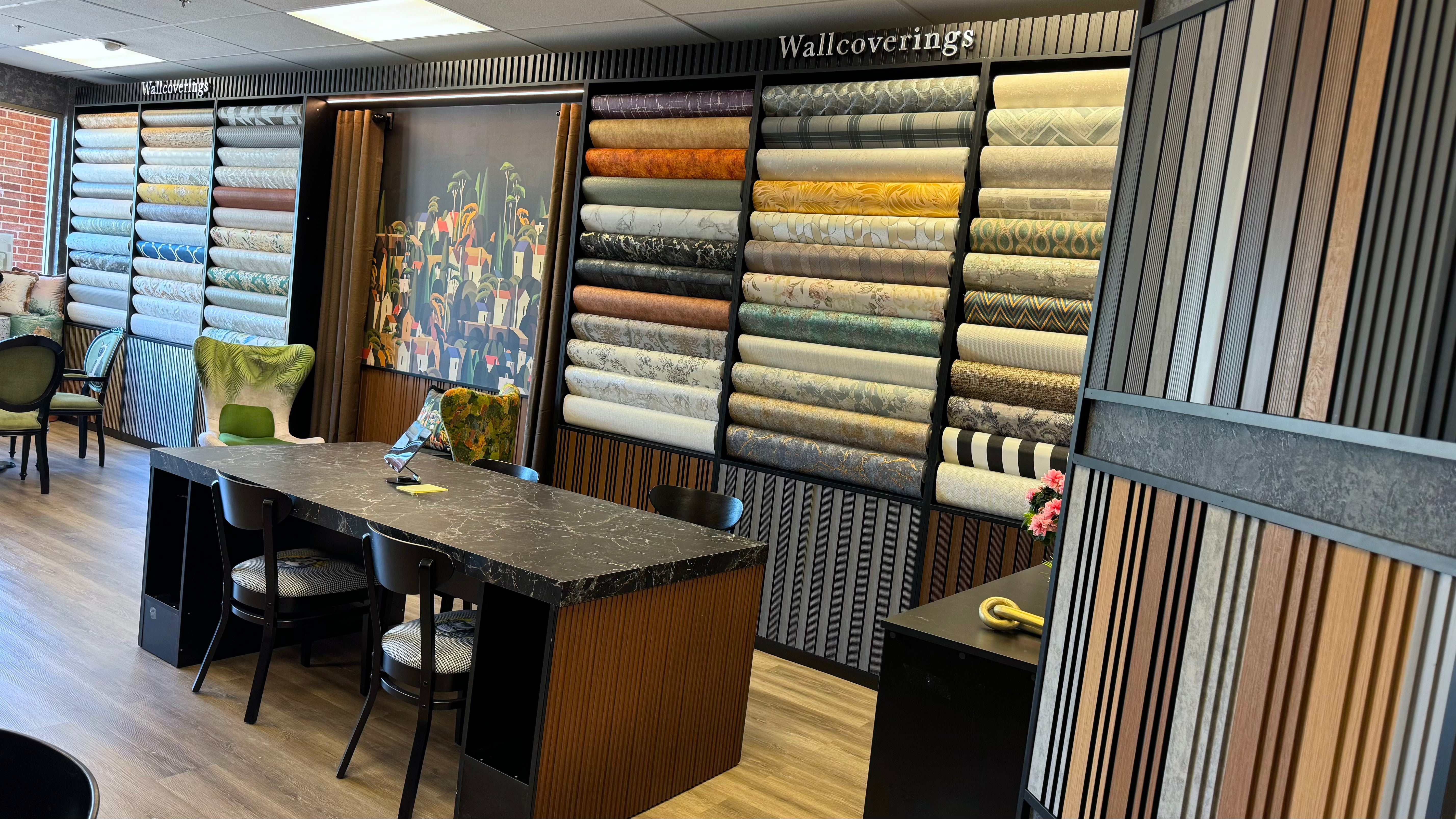
Our collections are curated for homeowners who appreciate timeless design, premium craftsmanship, and interiors that feel effortlessly elegant.
From subtle linen-inspired textures to sophisticated embossed wallpaper and contemporary wallcoverings, every collection is designed to complement today's homes while remaining beautiful for years to come.
Whether you're refreshing a single room or redesigning your entire home, Walloro helps you create spaces with depth, warmth, and character.
Because beautiful interiors begin with beautiful walls.
Frequently Asked Questions
Does wallpaper actually increase home value?
Wallpaper doesn't directly increase your home's appraised value, but it can significantly improve perceived value by making interiors feel more luxurious, modern, and well-designed.
Is wallpaper better than paint for resale?
Premium wallpaper in timeless styles can leave a stronger impression than plain painted walls, helping a home stand out to potential buyers.
What type of wallpaper adds the most value?
Neutral embossed wallpaper, textured wallpaper, linen-inspired designs, and elegant contemporary patterns tend to have the broadest appeal and the most timeless look.
Does wallpaper last longer than paint?
Yes. High-quality wallpaper often lasts 10 to 15 years or longer with proper installation and care, while painted walls usually require more frequent touch-ups or repainting.
Should every room have wallpaper?
Not necessarily. Many designers recommend using wallpaper strategically in living rooms, bedrooms, dining rooms, home offices, or entryways to create the greatest visual impact.
Final Thoughts
So, does wallpaper really increase home value?
While it may not directly change an appraisal, it can dramatically influence how people experience your home. Beautiful interiors create emotional connections, and those connections often shape buying decisions.
Premium wallpaper adds something paint cannot—texture, depth, warmth, and personality. It transforms ordinary rooms into inviting spaces that feel carefully designed and effortlessly elegant.
Whether you're planning to stay in your home for years or preparing to sell in the future, investing in quality wallpaper is an investment in the way your home is seen and remembered.
At Walloro, we're proud to offer premium wallpaper collections that combine timeless style with exceptional craftsmanship. Designed for homes across the United States, our wallcoverings help create interiors that feel welcoming, sophisticated, and built to last.
Because a beautiful home isn't defined only by its layout—it's defined by the details that make every room unforgettable.