

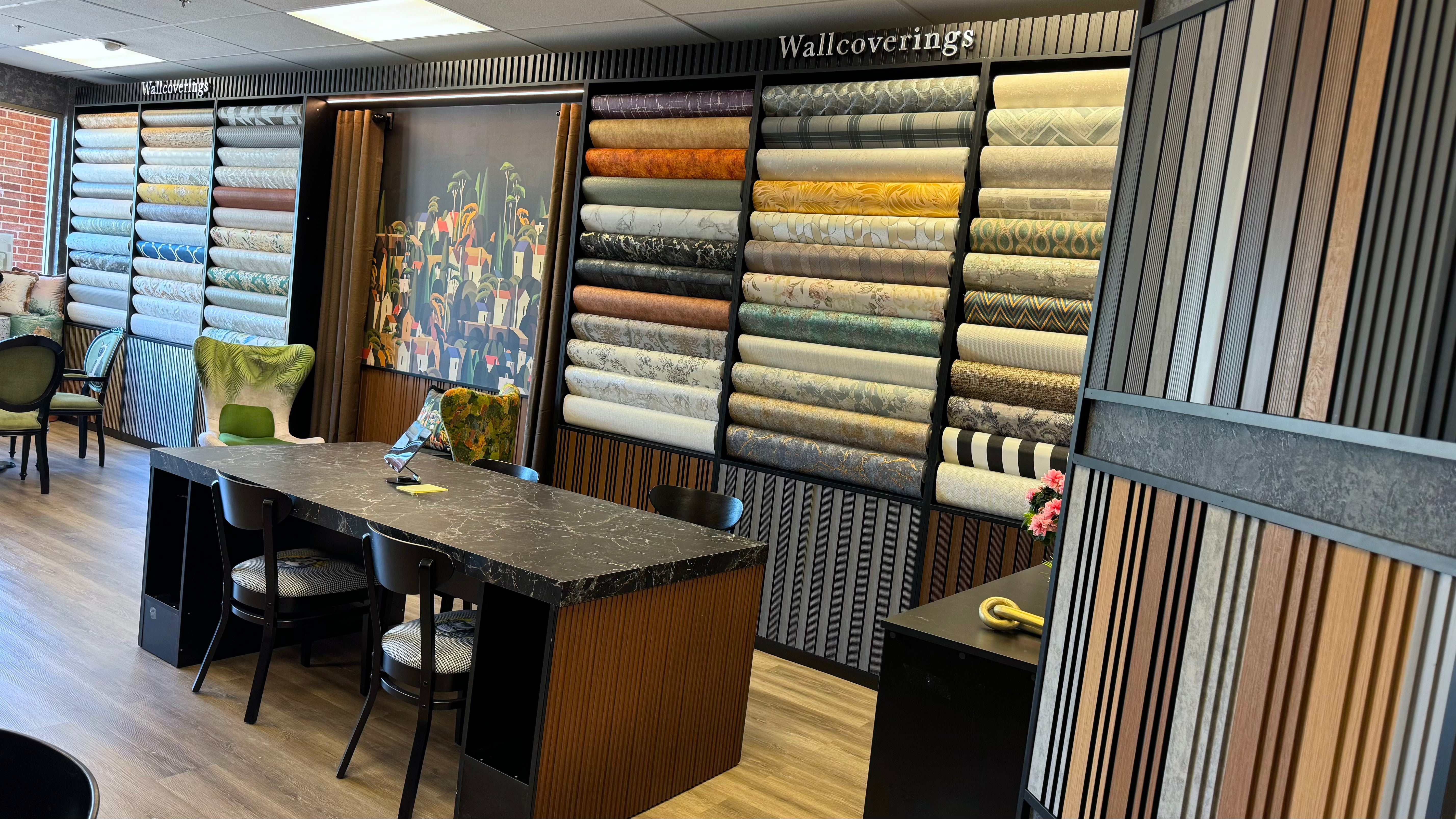

How Wallpaper Transforms Your Space and Mood

A room can look completely different without changing its furniture.
The sofa can stay. The flooring can stay. The artwork can stay exactly where it is. Yet suddenly, the space feels warmer, calmer, more dramatic, more sophisticated—or simply more like home.
What changed?
Sometimes, it starts with the walls.
Because walls occupy such a large part of our surroundings, they have an enormous influence on how we experience an interior. Color, texture, pattern, scale, and the way a surface interacts with light can completely change the atmosphere of a room.
Wallpaper takes that idea further.
Instead of treating walls as empty backgrounds, wallpaper turns them into an active part of the interior design.
At Walloro, we believe the right wallpaper doesn't simply transform what a room looks like. It can transform how the room feels.
Your Walls Set the Mood Before Anything Else
When you walk into a room, you don't consciously analyze every design decision.
You simply experience it.
You might think:
"This feels relaxing."
Or:
"This room feels dramatic."
Or:
"I could spend hours here."
Those reactions come from a combination of environmental details.
Lighting, furniture, architecture, materials, color, and texture all contribute.
But walls are particularly influential because they create the visual foundation for everything else.
A room with plain white walls can feel completely different from the same room with warm textured wallpaper.
The furniture hasn't changed.
The room hasn't changed.
But your perception of it has.
Wallpaper Changes More Than Color
When people think about wallpaper, they often think about pattern first.
But modern wallpaper can influence a room in several different ways.
It can introduce:
-
Color
-
Texture
-
Pattern
-
Depth
-
Movement
-
Contrast
-
Visual warmth
-
Architectural emphasis
A subtle embossed wallpaper can make a minimalist room feel richer.
An organic pattern can bring softness into a contemporary interior.
A darker wallcovering can create intimacy.
A warm neutral texture can make a space feel more welcoming.
This flexibility is what makes wallpaper such a powerful design tool.
Color Can Completely Change the Atmosphere
Color is one of the fastest ways to change the character of a room.
But there isn't a universal "best" color.
The right choice depends on the atmosphere you want to create.
Warm Neutrals
Ivory, cream, sand, taupe, and warm greige can create a soft and welcoming environment.
They're especially effective when combined with natural wood, linen, stone, and warm lighting.
Deep Tones
Charcoal, deep olive, navy, and rich brown can create a more intimate and dramatic atmosphere.
These shades can work beautifully in dining rooms, studies, bedrooms, and other spaces where you want depth.
Soft Nature-Inspired Colors
Muted greens, dusty blues, warm earth tones, and botanical shades can introduce a sense of calm and connection to nature.
More Expressive Colors
For homeowners who want personality, stronger colors can create energy and visual excitement.
The important thing isn't simply choosing a beautiful color.
It's choosing one that supports the way you want to experience the room.
Texture Can Change How a Room Feels
Color is only one part of the equation.
Texture can be just as important.
A completely flat wall provides a very consistent visual surface.
A textured wall has variation.
Light moves across it.
Shadows appear.
The surface becomes more tactile—even when you never physically touch it.
This is one reason textured wallpaper has become such an important element in contemporary interiors.
Linen-inspired finishes, woven textures, subtle relief, and embossed surfaces can add sophistication without requiring bold patterns.
The room feels richer without necessarily feeling busier.
Why Embossed Wallpaper Creates a Different Experience
Embossed wallpaper has a physical dimension that paint simply doesn't provide.
Raised details interact with changing light throughout the day.
Morning sunlight may emphasize one area of the pattern.
Afternoon light can create softer shadows.
Evening lamps can make the same wall feel warmer and more intimate.
The wallpaper remains the same, but its appearance evolves with the room.
That subtle change creates a sense of movement and depth.
It is one of the reasons embossed wallpaper can make a space feel more premium without relying on excessive decoration.
Wallpaper Can Make a Room Feel More Intimate
Large rooms can sometimes feel impressive but impersonal.
Wallpaper can change that.
A deeper color or rich textured surface can visually bring the walls into the room, creating a more enclosed and intimate atmosphere.
This can work particularly well in:
-
Dining rooms
-
Bedrooms
-
Libraries
-
Home offices
-
Reading rooms
Instead of trying to make the space feel as large as possible, you can make it feel more comfortable.
Sometimes that is exactly what a room needs.
Wallpaper Can Also Make a Space Feel More Open
The opposite is possible too.
Light colors, subtle patterns, and carefully selected textures can help create a lighter visual environment.
This can be particularly useful in smaller rooms.
Instead of relying solely on mirrors or completely bare walls, wallpaper can provide visual depth while maintaining an airy atmosphere.
The key is choosing a design that doesn't overwhelm the available space.
A subtle pattern can give a small room personality without making it feel crowded.
Your Furniture Looks Different Against Different Walls
One of the most overlooked effects of wallpaper is what it does to the objects around it.
Furniture doesn't exist independently.
It is always perceived against its surroundings.
A neutral sofa against a textured wall can feel more sophisticated.
A vintage cabinet against a contemporary wallpaper can feel more intentional.
A sculptural chair against a restrained backdrop can become a focal point.
A large artwork against a subtle wallcovering can feel more powerful.
Wallpaper changes the context in which everything else is seen.
Create a Mood Instead of Following a Trend
Interior trends change constantly.
One year, minimalism dominates.
The next, richer colors become popular.
Then maximalism returns.
But your home isn't a trend board.
It's where you live.
Instead of asking:
"What's trending right now?"
consider asking:
"How do I want this room to feel?"
Do you want your bedroom to feel peaceful?
Your living room welcoming?
Your dining room dramatic?
Your office focused?
Your entryway memorable?
Once you define the atmosphere, choosing wallpaper becomes much easier.
Different Rooms Can Tell Different Stories
Your entire home doesn't need to use the same wallpaper style.
In fact, allowing different rooms to have distinct personalities can make a home feel more interesting.
Living Room
Choose textures or patterns that create warmth and conversation.
Bedroom
Consider softer colors and tactile surfaces that create a calm atmosphere.
Dining Room
A richer pattern or deeper color can make the room feel more dramatic.
Home Office
A refined geometric or textured design can create a focused and sophisticated backdrop.
Hallway
A more expressive wallpaper can turn a transitional space into a memorable part of the home.
Each room can have its own identity while still sharing a common design language.
Wallpaper Can Define Spaces Without Building Walls
Open-concept interiors create another interesting challenge.
How do you make different areas feel distinct when there are no physical walls separating them?
Wallpaper can help.
A feature wall can visually define:
-
A dining area
-
A home office
-
A reading corner
-
A seating zone
-
An entryway
This creates boundaries without sacrificing openness.
Instead of constructing another wall, you use the existing wall as a visual transition.
The Relationship Between Wallpaper and Light
Lighting can completely change the appearance of a wallcovering.
Natural light reveals color and texture differently throughout the day.
Artificial lighting can create another atmosphere entirely.
This is particularly noticeable with textured and embossed wallpaper.
A surface that looks subtle during the afternoon may become dramatically dimensional under directional evening lighting.
That's why wallpaper selection should always consider the room's actual lighting conditions.
The same design can create very different experiences in two different homes.
Wallpaper Can Bring Nature Indoors
Organic patterns have become increasingly popular because they can introduce a softer visual language into modern interiors.
Botanical motifs, flowing lines, natural textures, stone-inspired surfaces, and earthy colors can make contemporary spaces feel less rigid.
This doesn't mean turning your home into a garden.
Even subtle references to natural forms can soften clean architectural lines.
The result can feel more relaxed and connected.
Luxury Doesn't Have to Be Loud
A luxurious room doesn't necessarily need dramatic colors or elaborate patterns.
Sometimes luxury is almost invisible.
It's the texture you notice when sunlight crosses the wall.
It's the subtle variation in a neutral surface.
It's the way the wallpaper complements natural wood.
It's the way the room feels complete without being overdecorated.
This is where premium wallpaper can make a significant difference.
The goal isn't to make the wall demand attention.
It's to make the entire room feel more considered.
Why Walloro Wallpaper Can Transform a Space
At Walloro, we approach wallpaper as an important part of the interior rather than an afterthought.
Our collections are designed around the idea that walls can contribute to atmosphere, depth, texture, and personality.
From sophisticated neutrals to expressive contemporary patterns, textured surfaces, and dimensional finishes, wallpaper can be adapted to very different design directions.
Whether you're refreshing one room or creating a completely new interior, the right wallcovering can become the foundation for everything that follows.
How to Choose Wallpaper Based on the Feeling You Want
Before choosing a design, define the experience you want.
Want a Calmer Room?
Look toward:
-
Soft neutrals
-
Organic patterns
-
Subtle textures
-
Lower contrast
-
Warm natural tones
Want a More Dramatic Room?
Consider:
-
Deep colors
-
Stronger patterns
-
Embossed surfaces
-
Higher contrast
-
Larger-scale designs
Want a More Luxurious Room?
Look for:
-
Refined textures
-
Dimensional finishes
-
Sophisticated neutrals
-
Tonal patterns
-
Carefully balanced details
Want a More Energetic Room?
Consider:
-
Expressive colors
-
Graphic patterns
-
Stronger contrast
-
Dynamic organic designs
The goal is to select wallpaper based on the experience you want—not simply the appearance you want to photograph.
Don't Forget Your Personal Connection
There is no universal formula for how a room should make you feel.
A color that feels relaxing to one person might remind another person of something completely different.
That's why your personal preferences matter.
Maybe you love the feeling of being surrounded by nature.
Maybe you prefer quiet neutral interiors.
Maybe dramatic rooms make you feel comfortable.
Maybe you want your home to feel energetic and creative.
Your wallpaper should support that identity.
Your home doesn't need to look like everyone else's.
Frequently Asked Questions
Can wallpaper really change the mood of a room?
Wallpaper doesn't directly control emotions, but its color, pattern, texture, scale, and relationship with lighting can significantly influence how a room is perceived.
What wallpaper is best for a calming atmosphere?
Soft neutral colors, organic patterns, subtle textures, and restrained designs are often effective for creating a calmer visual environment.
Can dark wallpaper make a room feel cozy?
Yes. Deeper colors can create a more intimate atmosphere, especially when combined with warm lighting and comfortable furnishings.
Does textured wallpaper make a room feel more luxurious?
Texture can add visual depth and create changing highlights and shadows, which can make an interior feel more layered and sophisticated.
Can wallpaper make a small room feel bigger?
Certain light colors, subtle patterns, and appropriately scaled designs can help maintain an open visual feeling, although the effect depends on the room's lighting and proportions.
Final Thoughts
Wallpaper has the ability to change much more than the appearance of a wall.
It can change the atmosphere of an entire room.
A warm color can make a space feel inviting.
A deep tone can make it feel intimate.
A subtle texture can make it feel sophisticated.
A bold pattern can make it feel expressive.
And an embossed surface can add dimension that changes with the light.
The most successful interiors aren't necessarily the ones with the most decoration. They're the ones where every element contributes to a feeling.
At Walloro, we believe your walls should do more than fill a room.
They should help define it.
Because the right wallpaper doesn't simply transform your space.
It transforms the way you experience it.