


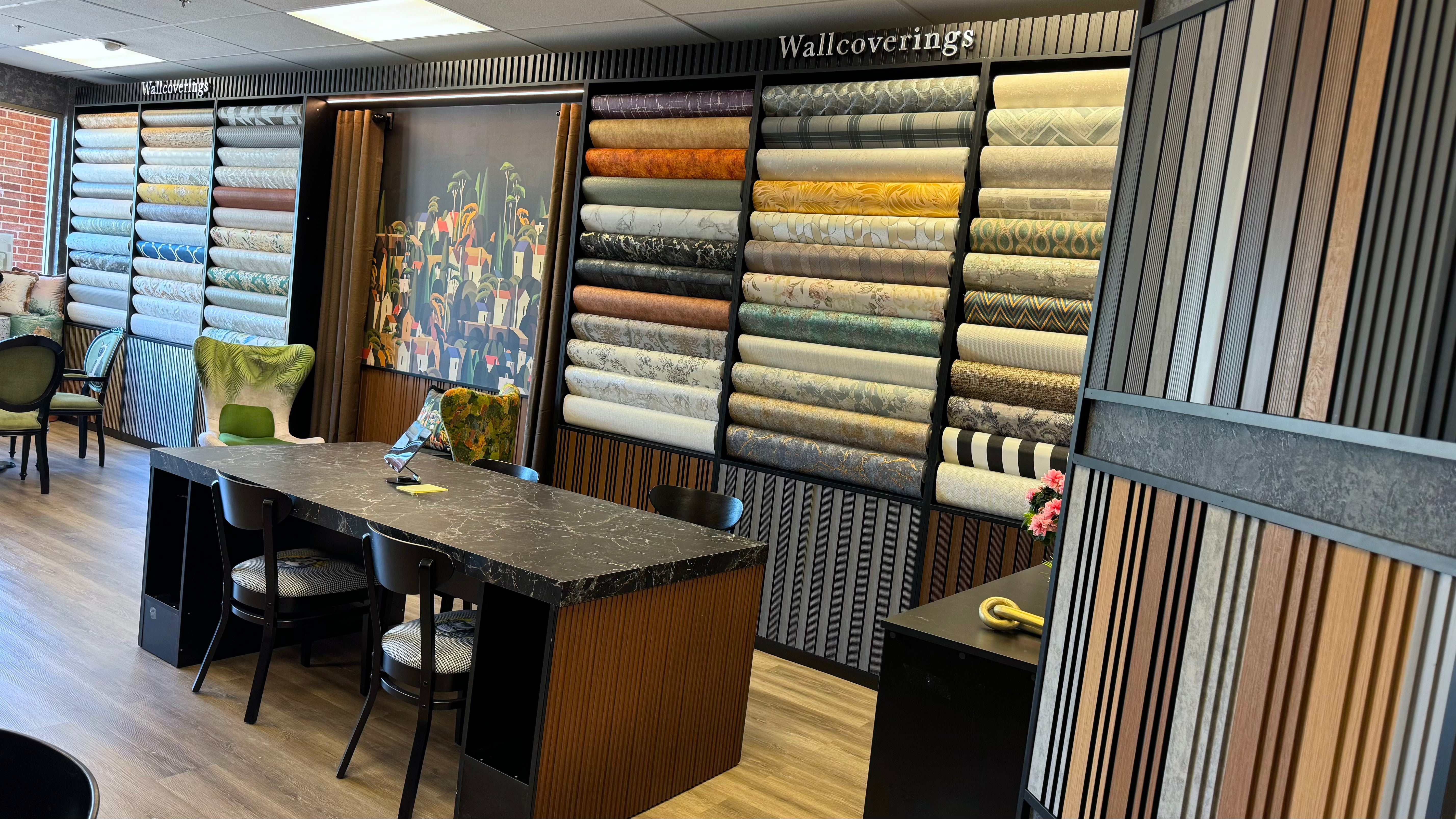

Small Spaces, Big Design Impact With Wallpaper
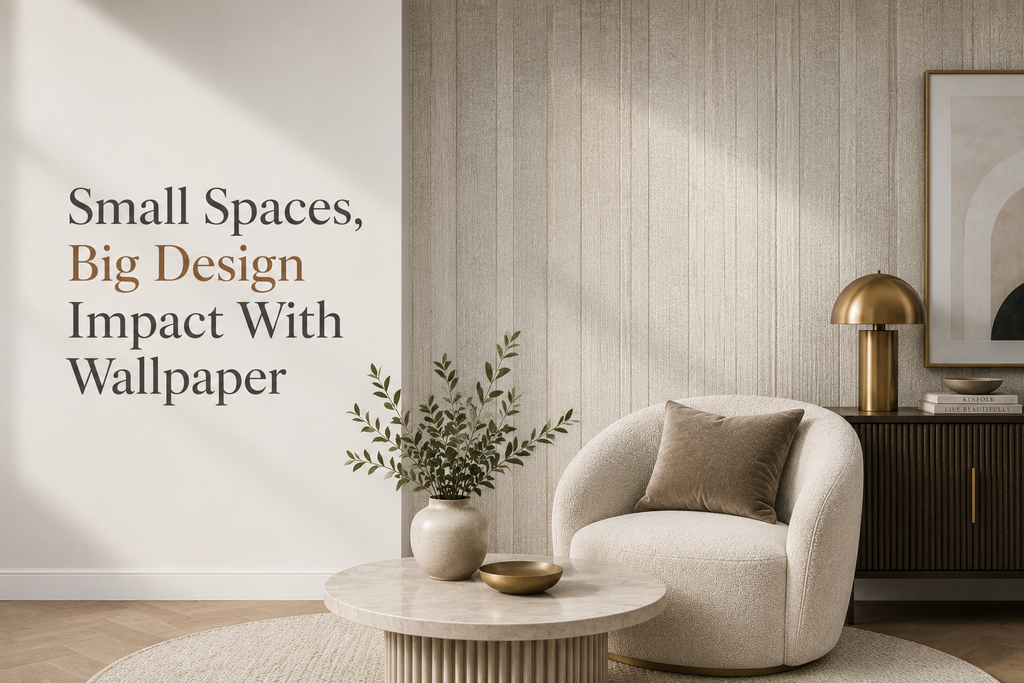
Small rooms often come with a long list of design advice.
Use lighter colors. Choose smaller furniture. Avoid busy patterns. Keep the walls simple. Add mirrors to make the room appear larger.
While some of these ideas can be useful, there's another approach worth considering:
Stop trying to make the room feel bigger—and start making it feel better.
A compact space can have just as much personality, sophistication, and visual impact as a large interior. In fact, because small rooms have fewer competing elements, wallpaper can sometimes make an even stronger impression.
The right wallcovering can establish mood, add depth, emphasize architecture, and create a memorable focal point without taking up any additional floor space.
At Walloro, we believe great design isn't determined by the size of a room. It's determined by how thoughtfully the space is used.
Why Wallpaper Works So Well in Small Rooms
A small room has limited physical space, but the walls provide a large visual canvas.
Wallpaper takes advantage of that vertical surface.
Instead of adding more furniture or accessories, you can use the wall to introduce:
-
Color
-
Texture
-
Pattern
-
Depth
-
Movement
-
Atmosphere
This is particularly valuable when floor space is limited.
The wallpaper becomes part of the architecture rather than another object competing for space.
1. Don't Automatically Choose White
White can make a room feel fresh and open, but it isn't the only option for small spaces.
Warm neutrals, muted colors, rich earth tones, and even darker shades can work beautifully.
A small room with deep green wallpaper can feel intimate.
A warm beige texture can feel sophisticated.
A dark blue pattern can create drama.
The question shouldn't always be:
"How do I make this room look bigger?"
Instead ask:
"What should this room feel like?"
That shift can completely change the design process.
2. Texture Creates Depth Without Clutter
Texture is one of the most effective tools for compact interiors.
A textured wallcovering can create visual depth without introducing a complicated pattern.
Consider:
-
Linen-inspired surfaces
-
Woven effects
-
Plaster-like textures
-
Subtle relief
-
Embossed designs
-
Mineral-inspired finishes
These surfaces interact with light and create variation across the wall.
The room remains visually restrained while gaining another layer of character.
3. Small Rooms Can Handle Bold Wallpaper
It may seem logical that a small room requires a quiet wallpaper.
But sometimes the opposite is true.
A compact room can actually be an ideal place for a dramatic pattern because there are fewer surfaces competing with it.
A bold wallpaper can establish a complete design direction immediately.
This works particularly well in:
-
Powder rooms
-
Small bedrooms
-
Home offices
-
Entryways
-
Reading nooks
Instead of adding several decorative elements, let the wallpaper become the statement.
4. The Powder Room Is Your Design Laboratory
If you're nervous about using expressive wallpaper, the powder room is a perfect place to experiment.
Because it is small and often visually separate from the main living areas, you can take more creative risks.
Try:
-
Deep colors
-
Oversized botanical patterns
-
Geometric designs
-
Dimensional textures
-
Dramatic contrasts
-
Unexpected color combinations
A small powder room can become one of the most memorable spaces in the house.
5. Large Patterns Can Work in Compact Interiors
Small rooms don't automatically require small patterns.
Large-scale designs can create an immersive effect.
An oversized botanical pattern can make the walls feel enveloping.
A large abstract design can function almost like artwork.
A bold geometric pattern can give the room architectural structure.
The key is proportion.
Always consider the full wall rather than judging the design from a small sample.
6. Use Vertical Patterns to Emphasize Height
If a room has a low ceiling, the direction of the wallpaper pattern can influence visual perception.
Vertical lines, elongated motifs, and upward-moving botanical forms can draw the eye toward the ceiling.
This can make the room feel more vertically oriented.
The architecture itself hasn't changed.
But the eye is encouraged to experience the wall differently.
7. Try Wallpaper on the Ceiling
A ceiling can become an unexpected design opportunity.
In small rooms, wallpapering the ceiling can create a more immersive effect because the walls and ceiling visually connect.
This can work particularly well in:
-
Powder rooms
-
Small bedrooms
-
Reading rooms
-
Entry spaces
A subtle textured finish can feel sophisticated.
A bold pattern can create a dramatic enclosed environment.
For complex ceiling installations, professional installation is often advisable.
8. Tonal Wallpaper Keeps the Room Calm
If bold patterns aren't your style, tonal wallpaper can provide a more understated solution.
Tonal designs use closely related shades rather than strong contrast.
Examples include:
-
Cream and ivory
-
Beige and taupe
-
Sage and muted green
-
Warm gray and stone
-
Brown and soft clay
The pattern remains visible, but the overall effect stays calm.
This makes tonal wallpaper particularly useful in bedrooms and small living spaces.
9. Create a Focal Wall
You don't necessarily need to wallpaper every surface.
A single feature wall can create a strong focal point.
Consider the wall behind:
-
A bed
-
A desk
-
A sofa
-
A dining table
-
A fireplace
The wallpaper establishes a visual destination and helps organize the room.
This can be especially useful when the room has a simple architectural layout.
10. Or Create an Immersive Room
The opposite approach can also work.
Instead of creating one feature wall, use wallpaper across multiple walls.
This can make the design feel intentional and enveloping.
A subtle textured wallpaper is particularly effective for this approach because it adds depth without overwhelming the room.
This strategy can make a small bedroom or reading room feel almost cocoon-like.
11. Let the Walls Replace Some Accessories
One advantage of wallpaper in a small room is that it can perform several decorative functions simultaneously.
A patterned wall can provide:
Color + texture + artwork + atmosphere
This can reduce the need for additional decorative objects.
Fewer objects can mean less visual clutter.
The result is a room that feels designed without feeling crowded.
12. Use Mirrors With Wallpaper
Mirrors can enhance the effect of a carefully selected wallcovering.
A mirror reflects both light and pattern, increasing the visual presence of the wallpaper.
In a small powder room, for example, an expressive wallpaper behind a mirror can create a layered effect.
The mirror provides reflection.
The wallpaper provides depth.
The combination can be much more effective than either element alone.
13. Think About Lighting
Lighting is especially important in compact interiors.
A textured wallpaper may look subtle during the day and dramatically different under evening lighting.
Wall sconces can emphasize embossed relief.
Warm lamps can make neutral wallpaper feel richer.
Natural light can reveal subtle variations in color and texture.
Before making your final choice, view a physical sample in the actual room whenever possible.
14. Match Wallpaper With Furniture
Because small rooms have fewer pieces of furniture, every element tends to have more visual importance.
The wallpaper should therefore relate to what is already there.
Consider:
-
Wood tones
-
Upholstery
-
Metal finishes
-
Flooring
-
Curtains
-
Lighting fixtures
A bold wallpaper may work best with simpler furniture.
A subtle textured wallcovering can provide a backdrop for more expressive pieces.
The goal isn't to make everything match.
It's to create a balanced relationship.
15. Use Architecture to Your Advantage
Small spaces often contain interesting architectural features that can become design opportunities.
Look for:
-
Niches
-
Alcoves
-
Arches
-
Built-in shelving
-
Fireplace walls
-
Window recesses
-
Staircase walls
Wallpaper can highlight these features without requiring construction.
A small alcove can become a reading destination.
A niche can become a decorative focal point.
An otherwise overlooked wall can become part of the architecture.
16. Organic Patterns Can Soften Compact Rooms
Small contemporary spaces can sometimes feel overly structured.
Organic wallpaper patterns can introduce movement and softness.
Botanical silhouettes, flowing lines, abstract foliage, and nature-inspired textures can create a more relaxed atmosphere.
This works especially well when paired with:
-
Natural wood
-
Linen
-
Stone
-
Warm lighting
-
Soft furnishings
The result feels layered without being crowded.
17. Dark Wallpaper Can Create Intimacy
Dark colors are often avoided in small rooms because of the fear that they'll make the space feel smaller.
But that isn't necessarily a problem.
A dark wallcovering can make a compact room feel:
-
Cozy
-
Dramatic
-
Sophisticated
-
Intimate
-
Enveloping
This can be particularly effective in spaces where you want to encourage relaxation rather than openness.
A small room doesn't always need to feel expansive.
Sometimes it should feel comfortable.
18. Choose Quality Over Quantity
Small rooms don't need dozens of design elements.
A high-quality wallcovering can provide more impact than a collection of smaller decorative pieces.
Look for:
-
Refined texture
-
Consistent color
-
Appropriate pattern scale
-
Quality material construction
-
Sophisticated finishes
When the wall is doing more of the visual work, fewer additional elements may be necessary.
19. Don't Forget Pattern Repeat
Pattern repeat becomes particularly important in small spaces because there may be fewer uninterrupted walls.
Before ordering wallpaper, understand how the pattern will align around:
-
Doors
-
Windows
-
Corners
-
Niches
-
Built-ins
A beautiful pattern can lose its impact when it is poorly positioned.
Careful planning is essential.
20. The Goal Isn't Always to Make the Room Look Larger
This may be the most important idea of all.
Interior design doesn't have to be a constant attempt to manipulate perceived square footage.
A small room can be valuable precisely because it feels different from a large one.
It can feel intimate.
Personal.
Dramatic.
Quiet.
Immersive.
Wallpaper allows you to emphasize those qualities rather than disguise them.
How to Choose Wallpaper for a Small Space
Before selecting your wallcovering, ask yourself:
What mood do I want?
Calm, dramatic, warm, sophisticated, energetic?
How much natural light is available?
This will influence how colors and textures appear.
Is the room already visually busy?
If yes, consider a tonal or textured design.
Should the wallpaper be the focal point?
If so, look for stronger patterns or colors.
Would continuous coverage work better?
Subtle textures can work beautifully across multiple walls.
Have I tested the sample?
Always evaluate the actual material in the room whenever possible.
Small Spaces That Can Be Transformed With Wallpaper
Powder Room
Use bold patterns or rich textures to create a memorable atmosphere.
Bedroom
Create a calm cocoon with tonal texture or soft botanical designs.
Home Office
Introduce subtle geometry or refined texture for a polished background.
Entryway
Create a strong first impression with pattern and color.
Hallway
Turn a transitional space into a deliberate design feature.
Reading Nook
Use immersive wallpaper to visually separate the area from the rest of the home.
Why Walloro Believes Small Spaces Deserve Big Design
At Walloro, we see wallpaper as an opportunity to use walls more creatively.
Our collections explore texture, embossing, organic forms, sophisticated color, and contemporary pattern to help homeowners create interiors with depth and personality.
Small rooms don't require smaller ideas.
They often require more intentional ones.
A carefully selected wallcovering can turn a compact space from something you simply pass through into somewhere you actually want to spend time.
Frequently Asked Questions
Is wallpaper a good choice for small rooms?
Yes. Wallpaper can add substantial visual character without taking up physical floor space, making it particularly effective in compact interiors.
Should I use light wallpaper in a small room?
Not necessarily. Light colors can create an airy feeling, but dark and saturated wallcoverings can create intimacy and sophistication.
Can large wallpaper patterns work in small spaces?
Yes. Large-scale patterns can create a dramatic and immersive effect when their scale is appropriate for the architecture.
What type of wallpaper adds depth to a small room?
Textured and embossed wallcoverings are particularly effective because they introduce visual and physical dimension.
Should I wallpaper every wall in a small room?
It depends on the design. Subtle textures can work beautifully across multiple walls, while stronger patterns may be more effective as a feature wall.
Final Thoughts
Small spaces aren't limitations.
They're opportunities to be intentional.
Wallpaper can give a compact room a stronger identity without adding physical clutter. Texture can create depth. Pattern can establish personality. Color can change the atmosphere. And thoughtful placement can make even an overlooked corner feel architecturally significant.
At Walloro, we believe the most memorable interiors aren't necessarily the largest.
They're the ones where every inch has been designed with purpose.