


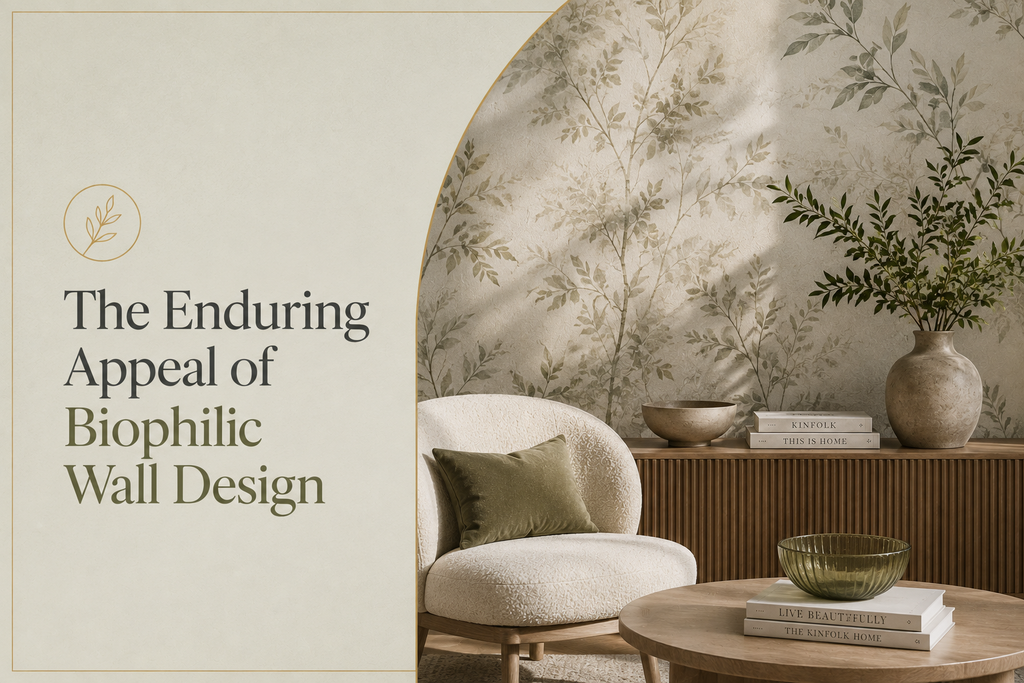
The Enduring Appeal of Biophilic Wall Design
aModern life has moved us indoors more than ever before.
We work from home, unwind in our living rooms, and spend countless hours surrounded by walls instead of landscapes. As our connection to the natural world becomes less frequent, our homes increasingly play a role in recreating the comfort and balance that nature provides.
This shift has helped bring biophilic design into the spotlight.
More than just an interior design trend, biophilic design is a philosophy that seeks to strengthen the relationship between people and the natural environment through architecture, materials, light, and interior elements. One of the simplest and most effective ways to introduce this concept into a home is through thoughtfully designed wallpaper.
At Walloro, we believe walls can do much more than define a room. They can create an atmosphere that feels calmer, warmer, and more connected to the natural world.
What Is Biophilic Design?
The word biophilia literally means a love of life and living systems.
In interior design, biophilic principles focus on bringing characteristics of nature into built environments. This doesn't necessarily mean filling every room with plants. Instead, it involves creating spaces that echo the qualities we naturally find comforting outdoors.
These qualities may include:
-
Organic shapes
-
Natural textures
-
Earth-inspired colors
-
Botanical patterns
-
Layered materials
-
Abundant natural light
-
Visual harmony
Wallpaper has become an increasingly important part of this approach because walls occupy such a significant portion of every room.
Why Biophilic Design Feels Timeless
Many decorating trends have a clear beginning and end.
Biophilic design doesn't.
That's because it isn't based on a particular fashion movement—it is inspired by elements that have existed for thousands of years.
Wood grain never becomes outdated.
Stone continues to feel elegant.
Natural linen remains relevant.
Botanical forms still appear fresh.
Rather than chasing what's new, biophilic interiors draw inspiration from materials and patterns that people have appreciated across generations.
Wallpaper Makes Nature Part of Everyday Living
Not every home has panoramic windows overlooking forests or gardens.
Wallpaper offers another way to introduce natural character indoors.
Modern wallcoverings can reinterpret nature through:
-
Linen-inspired textures
-
Stone-like finishes
-
Flowing botanical illustrations
-
Organic abstract forms
-
Wood-inspired patterns
-
Earthy color palettes
-
Embossed surfaces
These designs don't imitate nature literally.
Instead, they capture its rhythm, movement, and visual softness.
Texture Is the Heart of Biophilic Walls
Nature is rich with texture.
Think about tree bark, woven grasses, weathered stone, sand, or leaves.
These surfaces contain variation that gives them depth and authenticity.
Textured wallpaper brings a similar quality to interior walls.
Embossed finishes, woven effects, and subtle relief create surfaces that interact with changing light throughout the day.
This makes the room feel more layered and visually engaging without adding unnecessary decoration.
Earth-Inspired Colors Create Lasting Comfort
Biophilic interiors often rely on palettes that feel grounded rather than dramatic.
Popular choices include:
-
Warm ivory
-
Sand
-
Taupe
-
Clay
-
Olive green
-
Moss
-
Stone gray
-
Soft terracotta
-
Deep forest tones
These colors create a flexible foundation that pairs naturally with wood, ceramics, natural fabrics, and contemporary furnishings.
Because they are rooted in nature rather than seasonal trends, they continue to feel relevant year after year.
Organic Patterns Feel Relaxed
One reason biophilic wallpaper remains appealing is that it avoids rigid repetition.
Nature rarely follows perfect geometry.
Leaves overlap.
Branches grow unpredictably.
Stone develops irregular markings.
Modern wallpaper often reflects these qualities through flowing lines, abstract foliage, layered textures, and softly evolving patterns.
The result is a room that feels dynamic without becoming visually overwhelming.
Biophilic Design Works in Every Room
The beauty of nature-inspired wallpaper is its versatility.
Living Room
Textured neutrals create a welcoming backdrop that works with both contemporary and traditional furniture.
Bedroom
Soft botanical patterns and calming colors encourage a peaceful atmosphere.
Dining Room
Earthy tones and dimensional wallpaper create warmth and intimacy.
Home Office
Organic textures soften modern workspaces while maintaining a professional appearance.
Entryway
Nature-inspired wallpaper creates an inviting first impression the moment someone enters your home.
Natural Light Completes the Experience
Wallpaper and lighting always work together.
This relationship becomes especially important in biophilic interiors.
Morning sunlight may emphasize embossed textures.
Afternoon light can soften patterns.
Warm evening lighting creates gentle shadows that make textured surfaces feel richer.
Instead of appearing static, the walls evolve throughout the day.
This subtle interaction adds another layer of realism to nature-inspired interiors.
Less Decoration, More Atmosphere
Biophilic design isn't about filling a room with decorative objects.
Instead, it focuses on creating an environment where every element contributes to a sense of balance.
A textured wallpaper may eliminate the need for excessive wall art.
A botanical feature wall may become the room's natural focal point.
A soft neutral surface can allow furniture and architectural details to stand out without visual competition.
This restrained approach often creates interiors that feel more relaxing.
Pair Wallpaper with Natural Materials
Wallpaper becomes even more convincing when combined with authentic materials.
Consider pairing nature-inspired wallcoverings with:
-
Oak or walnut furniture
-
Linen upholstery
-
Wool rugs
-
Stone surfaces
-
Handmade ceramics
-
Woven baskets
-
Matte metal finishes
-
Indoor greenery
Each material reinforces the others, creating a cohesive interior that feels connected rather than staged.
Biophilic Design Is About Experience
One of the biggest misconceptions is that biophilic design is only about appearance.
In reality, it's about how a room is experienced.
Does the space feel calm?
Does it encourage relaxation?
Does it feel balanced?
Does it support everyday living?
Wallpaper contributes to these experiences by shaping the atmosphere of the room rather than simply decorating it.
Why Biophilic Walls Work in Modern Homes
Contemporary architecture often features clean lines, open layouts, and minimal detailing.
While these qualities can look elegant, they sometimes benefit from additional warmth.
Nature-inspired wallpaper introduces that warmth without disrupting the simplicity of modern design.
A textured neutral wallcovering can soften sharp architectural lines.
An embossed botanical pattern can add depth to an otherwise minimalist room.
Organic forms create contrast without creating clutter.
Common Mistakes to Avoid
Choosing Overly Literal Nature Prints
Modern biophilic interiors usually feel more sophisticated when natural inspiration is interpreted rather than copied exactly.
Ignoring Texture
Texture is one of the defining characteristics of natural materials.
Don't rely on color alone.
Using Too Many Competing Elements
Wallpaper, plants, wood, and accessories should complement each other rather than compete.
Forgetting Lighting
The interaction between light and texture is an essential part of the finished design.
Always consider how the wallpaper will look throughout the day.
Why Walloro Wallpaper Supports Biophilic Design
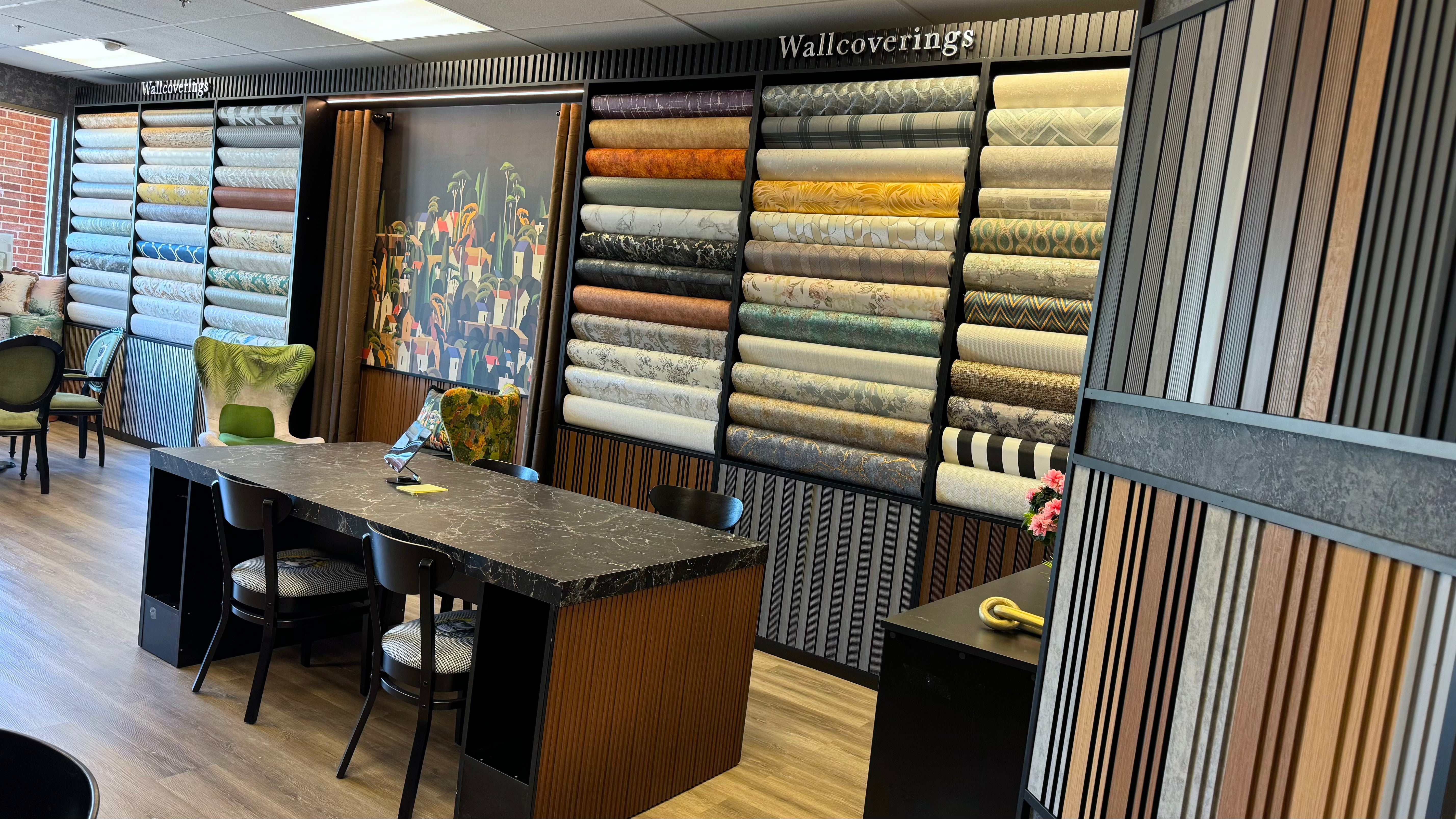
At Walloro, we create wallpaper collections inspired by the textures, colors, and patterns found in nature.
From refined embossed finishes and woven-inspired textures to sophisticated botanical motifs and earthy palettes, our wallcoverings are designed to help homeowners create interiors that feel balanced, welcoming, and enduring.
Rather than following temporary trends, we focus on surfaces that continue to feel relevant as homes evolve.
Because timeless design begins with timeless inspiration.
Frequently Asked Questions
What is biophilic wall design?
Biophilic wall design uses wallpaper, textures, colors, and patterns inspired by nature to create interiors that feel more connected to the natural world.
Is biophilic wallpaper suitable for modern homes?
Yes. Nature-inspired textures and subtle botanical designs complement modern architecture while adding warmth and visual depth.
What colors work best in biophilic interiors?
Earthy neutrals, soft greens, warm browns, stone grays, and clay-inspired tones are among the most popular choices.
Does textured wallpaper support biophilic design?
Absolutely. Embossed and textured wallcoverings recreate the depth and variation found in natural materials, adding richness without overwhelming the space.
Can biophilic wallpaper work in small rooms?
Yes. Subtle textures and organic patterns can add depth and warmth without making compact spaces feel crowded.
Final Thoughts
The appeal of biophilic wall design isn't rooted in fashion.
It's rooted in something much deeper—our instinctive appreciation for natural forms, textures, and materials.
As homes continue to become places where we work, relax, and spend more of our lives, creating interiors that feel balanced has never been more important.
Wallpaper inspired by nature offers a simple yet meaningful way to achieve that balance.
It introduces texture without clutter.
Warmth without excess.
Character without overwhelming the room.
At Walloro, we believe the most enduring interiors are the ones that reflect the qualities people naturally respond to.
Because when your walls echo the beauty of nature, they never feel out of place.